
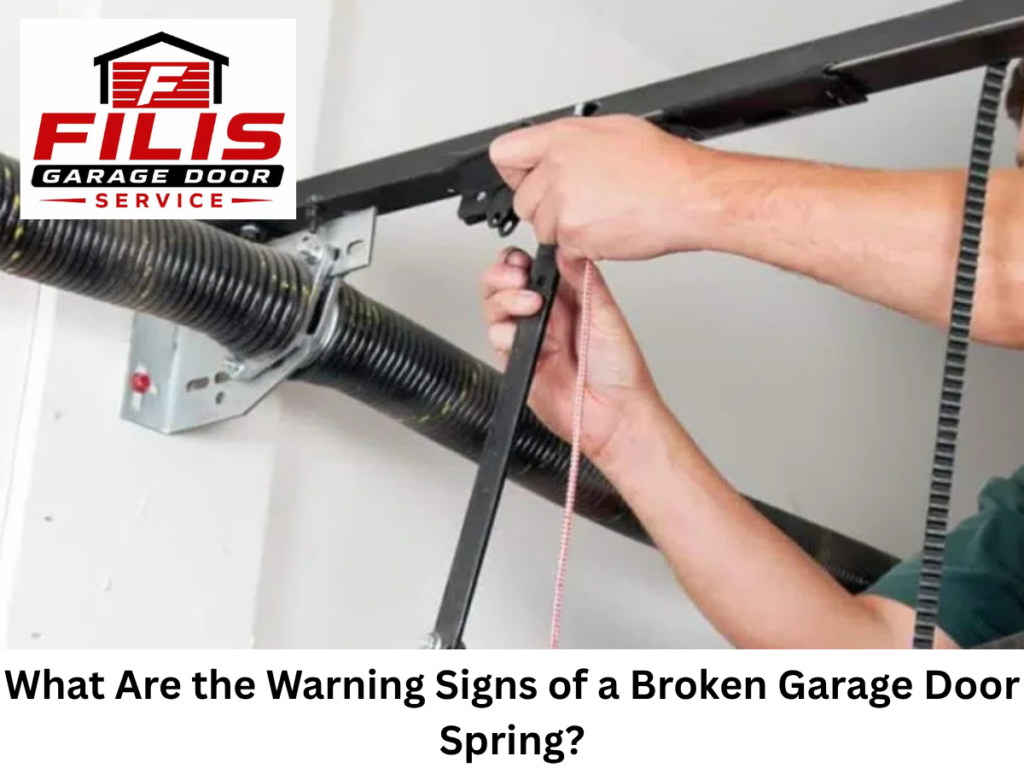
A garage door may look simple from the outside, but it depends on several important components working together to open and close safely. One of the most important parts is the garage door spring. These springs help support the weight of the door and make it possible for the opener or homeowner to move the door smoothly.
When a garage door spring breaks, the problem can be more than an inconvenience. A damaged spring can make the door extremely heavy, prevent it from opening properly, and create safety risks if someone attempts to repair it without the right tools and experience. Recognizing the warning signs early can help you avoid additional damage and get professional assistance before the problem becomes more serious.
For homeowners who notice unusual sounds, an uneven door, or a garage door that suddenly refuses to open, the springs should be one of the first components to have inspected. Understanding the common signs of spring failure can help you make a safer decision and know when to contact a professional garage door service such as Filis Garage Door Services.
Why Garage Door Springs Are So Important
Garage doors can be surprisingly heavy. Depending on the size, construction, and materials used, a residential garage door can weigh hundreds of pounds. The springs counterbalance much of that weight so the door can move up and down without placing excessive strain on the opener.
Most residential garage doors use either torsion springs or extension springs. Torsion springs are typically installed above the garage door, while extension springs are positioned along the horizontal tracks on either side of the door.
Both types store a significant amount of energy while the garage door operates. Over time, repeated opening and closing can cause the metal to weaken. Eventually, a spring can lose its tension or break completely.
A broken spring should not be ignored. Continuing to operate the garage door with a damaged spring may place additional stress on other components, including the opener, cables, rollers, and tracks.
How Long Do Garage Door Springs Last?
Garage door springs do not last forever. Their lifespan is usually measured in cycles, with one cycle representing the door opening and closing once. Many standard springs are designed for thousands of cycles, but actual lifespan depends on how frequently the garage door is used, the quality of the spring, environmental conditions, and maintenance.
A household that uses the garage door several times every day may experience spring wear sooner than a household that uses it only once or twice daily.
Because spring failure can happen suddenly, homeowners should pay attention to changes in how their garage door sounds and operates.
Common Warning Signs of a Broken Garage Door Spring
A broken spring does not always fail without warning. In many cases, homeowners can notice changes before or immediately after the spring breaks.
The Garage Door Will Not Open
One of the clearest signs of a broken spring is a garage door that suddenly refuses to open. You may hear the garage door opener running, but the door itself may remain in place.
This happens because the opener is not designed to carry the full weight of the door on its own. When a spring breaks, the opener may struggle or stop because the door has become too heavy.
If you hear the motor operating but the door does not move, avoid repeatedly pressing the opener button. Repeated attempts can place unnecessary strain on the system.
The Door Feels Extremely Heavy
If you normally open your garage door manually and suddenly notice that it feels much heavier than usual, a damaged spring could be responsible.
The springs help counterbalance the door’s weight. When that support disappears, lifting the door requires significantly more force.
Do not try to force a heavy garage door open by yourself. A door that is difficult to lift may fall unexpectedly or cause an injury.
You Hear a Loud Bang
A loud popping or banging sound coming from the garage is another common indication that a spring has broken. When a spring snaps, the energy stored in it is released quickly, which can produce a loud sound.
Some homeowners describe the noise as sounding like something heavy has fallen inside the garage. If you hear a sudden loud bang followed by a garage door problem, inspect the system from a safe distance and look for visible signs of spring damage.
Do not touch or attempt to adjust the spring. These components can remain under tension even after they break.
There Is a Visible Gap in the Torsion Spring
If your garage door uses a torsion spring, you may be able to see the spring above the door. A functioning spring normally appears continuous when viewed from the side.
When the spring breaks, there may be a visible gap between two sections of the spring. This is one of the easiest signs for a homeowner to recognize.
However, visual inspection should be limited to looking at the spring from a safe position. Do not attempt to pull, twist, reconnect, or otherwise manipulate it.
The Garage Door Opens Unevenly
A garage door should normally move smoothly and remain relatively level as it opens. If one side rises higher than the other, the problem could involve a broken spring, damaged cable, track issue, or another component.
An uneven door should not be ignored. Operating it repeatedly can cause additional wear and may increase the risk of the door coming off its track.
If you notice the door leaning or moving unevenly, stop using it and arrange for a professional inspection.
Other Signs That Your Garage Door Spring May Be Failing
Not every spring problem involves an immediate break. Springs can also weaken gradually.
The Door Closes Too Quickly
A garage door that suddenly drops faster than normal may have a spring that is losing its ability to counterbalance the door.
A properly functioning spring system helps control the door’s movement. If the spring becomes weak, the door may become harder to control.
This can be particularly dangerous if someone is standing underneath the door or attempting to close it manually.
The Door Will Not Stay Open
Try not to test this yourself if you suspect a spring problem. However, if a previously functioning garage door no longer stays open and begins moving downward, the spring system may not be providing enough support.
A door that will not remain open can become a serious safety concern. Professional inspection is recommended rather than attempting to compensate for the problem by adjusting the opener.
The Door Makes Unusual Noises
Squeaking, popping, grinding, or unusual snapping sounds can indicate several garage door problems, including spring wear.
Not every unusual noise means that a spring is broken. Rollers, hinges, tracks, bearings, and other components can also produce sounds. However, if a new noise appears along with changes in the door’s movement, it is worth having the system inspected.
Regular maintenance can also help identify worn components before they fail completely.
What Causes Garage Door Springs to Break?
Garage door springs are designed to handle repeated movement, but they eventually wear out. Several factors can contribute to spring failure.
Normal Wear and Tear
The most common reason springs fail is repeated use. Every time the garage door opens and closes, the springs complete another cycle.
Over years of operation, the metal can gradually fatigue. Even a high-quality spring eventually reaches the end of its useful life.
Rust and Corrosion
Moisture can cause metal components to rust. Rust can weaken a spring and increase friction, potentially shortening its lifespan.
Homeowners in areas with high humidity or frequent moisture may need to pay closer attention to visible corrosion.
Incorrect Spring Size
Garage door springs need to match the door’s weight and specifications. A spring that is incorrectly sized may not provide the appropriate amount of support.
Improper installation can also contribute to premature failure and uneven door operation. This is one reason professional installation is preferable to trying to replace a spring without proper knowledge.
Lack of Maintenance
Garage doors contain many moving components that benefit from routine inspection and maintenance. Ignoring minor problems can allow them to become larger issues.
A professional can inspect springs, cables, rollers, tracks, hinges, and other components to identify signs of wear.
Can You Replace a Broken Garage Door Spring Yourself?
Garage door spring replacement is not a typical do-it-yourself repair. Springs are under substantial tension, and working with them requires specialized tools and knowledge.
Attempting to remove or install a spring without proper training can result in serious injury. The same applies to trying to stretch, cut, unwind, or adjust a spring.
If you suspect a broken spring, keep children and pets away from the garage door area and avoid using the door until it has been inspected.
For homeowners who need professional Garage Door Springs Repair & Replacement, Filis Garage Door Services can help assess the condition of the spring system and determine the appropriate repair or replacement solution.
A professional inspection can also help determine whether other components were affected by the spring failure.
What Should You Do When a Garage Door Spring Breaks?
The safest approach is to stop operating the garage door and arrange for professional service.
Do Not Force the Door Open
If the opener is running but the door will not move, do not repeatedly activate it. The opener may not be designed to lift the door without assistance from the spring system.
Keep People Away From the Door
A damaged spring, cable, or other garage door component can create a potential hazard. Keep children, pets, and anyone unfamiliar with garage door repairs away from the system.
Look, But Do Not Touch
You can visually inspect the garage door from a safe distance. Look for a visible gap in the spring, loose cables, an uneven door, or other obvious signs of damage.
Do not touch the spring or cables. A professional should handle components that are under tension.
Contact a Professional
A qualified garage door technician can inspect the complete system and determine whether the spring needs adjustment, repair, or replacement.
Choosing a professional service can also help ensure that the replacement spring is properly matched to the door.
How to Prevent Garage Door Spring Problems
Although springs eventually wear out, regular maintenance can help identify potential problems early.
Listen for changes in the way your garage door operates. New squeaking, popping, grinding, or snapping sounds should not be ignored.
Pay attention to the door’s balance and movement. If it becomes unusually heavy, jerky, noisy, or uneven, schedule an inspection.
It is also helpful to have the entire garage door system professionally inspected periodically. A technician can examine the springs along with cables, rollers, tracks, hinges, bearings, and the opener.
Avoid putting unnecessary weight on the garage door. Adding weight without considering the spring system can affect how the door operates and may contribute to premature wear.
Most importantly, do not attempt to repair high-tension springs yourself. Professional service is a safer choice.
Conclusion
Garage door springs play a major role in the safe and smooth operation of your garage door. When a spring breaks or begins to fail, signs such as a door that will not open, unusual noises, excessive weight, uneven movement, or a visible gap in the spring should not be ignored.
Because garage door springs are under significant tension, attempting to repair or replace them without the proper training can be dangerous. The safest option is to stop using the door and have the system inspected by a qualified professional.
If you are experiencing problems with your garage door springs, Filis Garage Door can inspect the system and help determine the right repair or replacement service. Getting professional help early can protect other garage door components, restore reliable operation, and help keep your household safer.
Frequently Asked Questions
How do I know if my garage door spring is broken?
Common signs include a garage door that will not open, a door that suddenly feels very heavy, a loud bang from the garage, a visible gap in a torsion spring, or a door that moves unevenly.
Can I still use my garage door with a broken spring?
It is best not to use the garage door until it has been inspected. Operating a door with a broken spring can place additional stress on the opener and other components.
How long do garage door springs usually last?
Spring lifespan varies based on usage, spring quality, installation, environmental conditions, and maintenance. Springs are generally rated by operating cycles rather than a specific number of years.
Is a broken garage door spring dangerous?
Yes. Garage door springs store substantial energy. A broken or improperly handled spring can cause serious injury, which is why spring repairs and replacements should generally be performed by trained professionals.
Should I replace both garage door springs?
If a garage door has two springs and one fails, a professional may recommend replacing both, especially if they are the same age and have experienced similar wear. The correct recommendation depends on the condition and design of the system.