
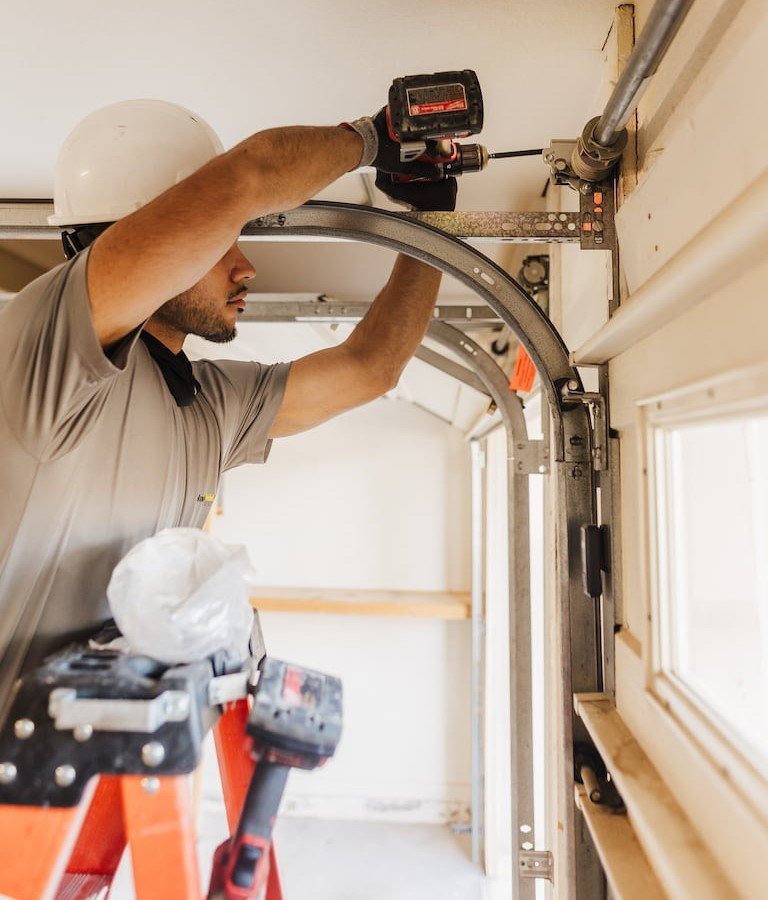
A garage door can stop working at the worst possible time. Maybe you’re leaving for work and the door won’t open. Maybe you come home and find it stuck halfway. Or you hear a loud bang from the garage and suddenly the door won’t move.
Whatever the situation, the first thing to remember is don’t panic and don’t force the door.
Garage doors are heavy systems that use springs, cables, tracks, rollers, and an opener to move safely. When one of these parts fails, trying to operate the door can make the damage worse or create a safety risk.
Knowing what to do during a garage door emergency can help protect your family, your vehicle, and your home.
Is a Broken Garage Door Always an Emergency?
Not every garage door problem requires an emergency repair call.
A small cosmetic dent or a remote with a dead battery may be something you can deal with during normal business hours. But some problems should be handled quickly because the door may be unsafe or your home’s security could be affected.
You may need emergency garage door repair if:
- The door suddenly falls or becomes unstable
- A spring has broken
- A cable is snapped or hanging loose
- The door has come off its tracks
- The door is stuck open
- The door is stuck halfway
- The door won’t close and your garage is exposed
- The door has serious damage from a vehicle or storm
- The opener causes unexpected movement
When you’re unsure, it’s better to stop using the door and have it inspected.
What to Do When Your Garage Door Breaks
1. Keep Everyone Away From the Door
Your first priority should be safety.
Keep children and pets away from the garage until you know what has happened. If the door looks crooked, unstable, or partially open, don’t stand underneath it.
A damaged door can move unexpectedly, especially when a spring, cable, or track has failed.
2. Don’t Force the Door Open or Closed
It can be tempting to pull the door down or push it up when the opener stops working. Avoid doing this if the door is damaged or unusually heavy.
A garage door can weigh hundreds of pounds, and a failed spring or cable may mean the door is no longer properly balanced. Trying to move it can result in injury or additional damage.
Also avoid repeatedly pressing the opener button. If the door has a mechanical problem, continuing to run the opener can put additional strain on the motor and other components.
3. Look for an Obvious Problem From a Safe Distance
You don’t need to take the door apart to get a basic idea of what went wrong.
From a safe position, look for:
- A visible broken spring
- A loose or frayed cable
- Rollers outside the track
- A bent track
- Damaged panels
- Something blocking the door
- Dirty or blocked safety sensors
A visual check is enough. If the problem involves springs, cables, tracks, or other loaded components, leave the repair to a professional.
4. Stop Using the Opener if the Door Is Unsafe
If the door is crooked, stuck, or clearly damaged, don’t keep trying to operate it.
In some situations, the opener can be disconnected using the emergency release. However, this should only be done when the door is in a safe position and you understand how the release works. Disconnecting an unstable door can allow it to move unexpectedly.
If you’re not sure, leave the system alone and call a professional.
5. Call for Professional Garage Door Repair
Once you’ve made sure everyone is safe, contact a garage door repair professional.
Explain what happened, including any loud noises, visible damage, unusual movement, or whether the door is stuck open or closed. Giving the technician these details can help them understand what they may be dealing with before they arrive.
Common Garage Door Emergencies
Broken Garage Door Spring
A broken spring is one of the most common serious garage door problems.
You may hear a loud bang when the spring breaks. Afterward, the door may become extremely heavy or refuse to open.
Springs help counterbalance the weight of the door. When one fails, the opener may not be able to safely lift it.
Do not attempt to replace or adjust a garage door spring yourself. Springs store a large amount of energy, and incorrect handling can cause serious injury.
Broken or Damaged Cable
Garage door cables work with the spring system to help lift and balance the door.
A damaged cable may hang loose, come off the drum, or cause one side of the door to sit lower than the other.
Don’t pull on a loose cable or try to reconnect it yourself. Keep the door closed if possible and arrange professional service.
Garage Door Off Track
An off-track garage door may look crooked or tilted. You might also see a roller sitting outside the track.
This can happen because of a damaged roller, bent track, impact, cable problem, or another mechanical issue.
Don’t try to force the rollers back into place. Operating an off-track door can damage the panels and tracks even further.
Garage Door Opener Failure
Sometimes the door itself is fine but the opener stops working.
The cause could be a power problem, remote issue, safety sensor, worn internal component, or motor problem.
You can check whether the opener has power and whether the remote battery works. If the motor runs but the door doesn’t move, or the opener behaves unexpectedly, professional inspection is a better option.
Door Stuck Open or Closed
A door stuck open can leave your garage and belongings exposed. A door stuck closed can prevent you from getting your vehicle out.
If the door is stable but the opener has failed, a technician can determine whether the problem is with the opener or the door’s mechanical system.
If the door is unstable or damaged, don’t try to manually move it.
When Should You Stop Using Your Garage Door?
Stop using the door if you notice any of these warning signs:
- The door suddenly falls
- A spring is broken
- A cable is frayed or disconnected
- The door is off track
- The door looks badly crooked
- The door won’t stay open
- It moves much faster than normal
- You hear loud popping or grinding
- The opener causes unexpected movement
- The door has major impact damage
A garage door that doesn’t look or feel normal isn’t worth taking a chance on.
Can You Fix a Garage Door Emergency Yourself?
There are a few simple checks homeowners can safely perform.
For example, you can check the remote battery, make sure the opener has power, remove an obvious obstruction, or clean the safety sensor lenses.
Major mechanical repairs are different.
Avoid DIY work involving:
- Garage door springs
- Lift cables
- Off-track doors
- Bent tracks
- Door balancing
- Opener motor or internal components
- Major electrical issues
A garage door may look simple from the outside, but its moving parts work together under significant load. A mistake during a repair can turn a manageable problem into a serious injury or a larger repair bill.
How to Choose an Emergency Garage Door Repair Company
When you need help quickly, don’t choose a company based only on the first number you find.
Look for a garage door company that:
- Offers emergency or after-hours service
- Has experience with different garage door systems
- Clearly explains the problem
- Provides pricing or an estimate before major work
- Has good customer reviews
- Handles springs, cables, tracks, openers, and panels
- Tests the door after completing the repair
It’s also worth asking what the quoted price includes. Clear communication can help prevent surprises when the job is finished.
What Happens During an Emergency Garage Door Repair?
A professional will usually start by inspecting the complete system rather than immediately replacing the first damaged part they see.
They may check the:
- Springs
- Cables
- Rollers
- Tracks
- Hinges
- Panels
- Opener
- Safety sensors
- Door balance
After identifying the cause, the technician can explain the repair and any replacement options.
Once the work is complete, the door should be tested to make sure it opens and closes properly and that the safety features are working.
How Much Does Emergency Garage Door Repair Cost?
There isn’t one fixed price for every emergency.
The total cost depends on the type of problem, parts required, door size, labor, and whether components such as springs, cables, rollers, tracks, or opener parts need replacement.
A simple repair and a major mechanical failure can have very different costs.
Before approving major work, ask for an estimate and make sure you understand what is included.
How to Prevent Garage Door Emergencies
You can’t prevent every garage door failure, but regular maintenance can reduce the chances of being surprised by a major problem.
Pay attention to changes in the way your door sounds and moves. Look for frayed cables, worn rollers, loose hardware, damaged panels, and bent tracks.
Keep the tracks free from debris and make sure the safety sensors are clean and aligned. Manufacturer-recommended lubrication can also help certain moving parts operate smoothly.
It’s also smart to test your garage door’s safety features regularly and arrange professional maintenance when needed. Regular inspections can catch worn components before they fail completely.
For Las Vegas homeowners, regular attention is particularly useful because garage doors are exposed to intense heat, sunlight, dust, and frequent daily use.
Emergency Garage Door Repair in Las Vegas
When a garage door breaks unexpectedly, getting the problem checked quickly can help protect your home and prevent further damage.
Filis Garage Door Services provides garage door repair services in Las Vegas and surrounding areas, including emergency garage door repair, spring repair and replacement, opener repair and installation, track and roller repair, cable replacement, panel replacement, remote programming and repair, and garage door maintenance.
If your door is stuck, off track, damaged, or unsafe to operate, don’t keep forcing it. A professional inspection can help determine what failed and what needs to be repaired.
Frequently Asked Questions
1. What should I do if my garage door suddenly breaks?
Stop operating the door and keep children and pets away from the area. Look for obvious problems from a safe distance, but don’t force the door or attempt spring and cable repairs. Contact a garage door professional for help.
2. Can I manually open a broken garage door?
It depends on what has failed. If the spring, cable, or another load-bearing component is damaged, manually lifting the door can be dangerous. Don’t try to lift a heavy or unstable door yourself.
3. Is a broken garage door spring an emergency?
A broken spring should be addressed promptly because the door can become extremely heavy and unsafe to operate. Avoid using the opener and don’t attempt to replace the spring yourself.
4. Should I keep using a garage door with a broken cable?
No. A damaged cable can affect the door’s balance and movement. Continuing to operate the door can cause additional damage or create a safety hazard.
5. How quickly should I call for emergency garage door repair?
If the door is unsafe, stuck open, unstable, or preventing secure access to your garage, contact a professional as soon as possible. Minor cosmetic problems can usually wait for a regular appointment.
6. Can regular maintenance prevent garage door emergencies?
Regular inspections and maintenance can reduce the chance of unexpected failures by helping identify worn springs, cables, rollers, tracks, and other components before they become major problems.
Final Thoughts
A broken garage door can be frustrating, but rushing into a DIY repair isn’t worth the risk. Start by keeping everyone away from the door, stop using it if it looks unsafe, and check only for simple problems that can be identified without taking anything apart.
Broken springs, damaged cables, off-track doors, and serious opener problems should be handled by a professional. Getting the right repair early can also prevent additional damage.
For homeowners in Las Vegas, Filis Garage Door Services can help with emergency repairs and common garage door problems, from springs and cables to tracks, rollers, panels, and openers.