
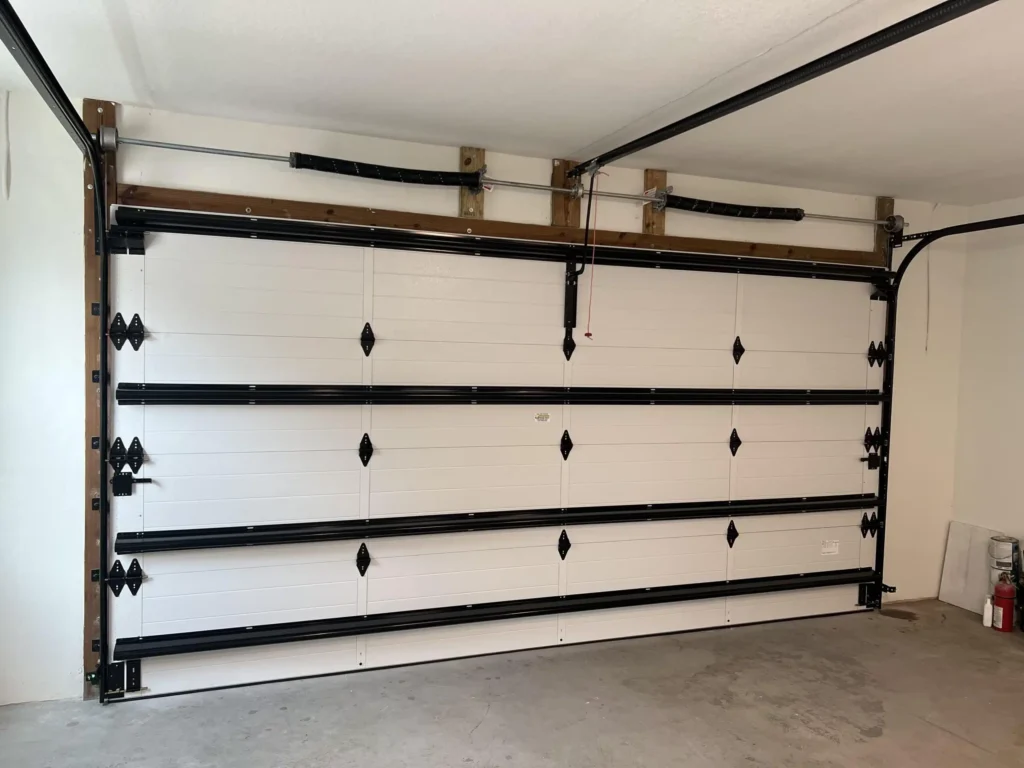
Your garage door depends on several parts working together to open and close smoothly. One of the most important components is the track system. Garage door tracks guide the door as it moves and help keep it balanced during operation.
When the tracks become bent, misaligned, or damaged, the entire system can begin to fail. A small track issue can quickly turn into a major repair if it is ignored. In some cases, damaged tracks can even create serious safety risks for homeowners.
At Filis Garage Door Services, track-related problems are among the most common garage door repairs. Understanding the warning signs can help you address problems early and prevent more expensive damage in the future.
What Do Garage Door Tracks Do?
Garage door tracks are metal rails installed on both sides of the garage door. Their job is to guide the rollers and allow the door to move smoothly.
Without properly aligned tracks, the garage door cannot operate safely or efficiently.
The tracks also work closely with other components, including:
- Rollers
- Springs
- Cables
- Hinges
- Garage door opener
Because these parts work together, even minor track damage can affect the entire garage door system.
What Causes Garage Door Track Damage?
Garage door tracks can become damaged for several reasons.
Normal Wear and Tear
Daily use naturally causes components to wear over time. As the garage door moves thousands of times throughout its lifespan, small issues can gradually develop.
Accidental Impact
A vehicle lightly hitting the garage door or tracks can cause dents or misalignment.
Loose Hardware
Brackets and bolts may loosen over time due to vibration and regular use.
Rust and Corrosion
Moisture can lead to rust, which weakens metal components and affects track performance.
Poor Maintenance
Neglecting regular inspections can allow small issues to become much larger problems.
Broken Springs or Cables
When springs or cables fail, the additional strain can damage the tracks.
Warning Signs Your Garage Door Tracks Need Repair
Recognizing early warning signs can help prevent expensive repairs and improve safety.
1. Unusual Noises
Garage doors normally make some noise during operation, but loud grinding, scraping, or squeaking sounds often indicate track problems.
These noises may occur because the rollers are struggling to move smoothly through damaged tracks.
2. The Door Opens Unevenly
Your garage door should rise and lower evenly.
If one side moves faster than the other or the door appears crooked, damaged tracks may be preventing proper movement.
Uneven operation also places additional stress on the opener and other components.
3. The Garage Door Gets Stuck
A door that suddenly stops or struggles to move may have bent or obstructed tracks.
Even small dents can interfere with the movement of the rollers and create resistance.
Ignoring this issue can eventually lead to complete system failure.
4. Visible Dents or Bends
Physical damage is one of the easiest warning signs to identify.
Many homeowners assume small dents are harmless, but even minor bends can prevent the door from operating correctly.
Any visible damage should be inspected by a professional.
5. Slow Door Movement
If your garage door suddenly starts moving more slowly than normal, the tracks may be creating additional friction.
Slow movement often indicates that the system is working harder than it should.
6. Gaps Between Rollers and Tracks
The rollers should sit securely inside the tracks.
If you notice gaps or rollers appearing loose, the tracks may be bent or misaligned.
This problem increases the risk of the door coming off track completely.
7. Vibrating or Shaking During Operation
A garage door should move smoothly and quietly.
Excessive shaking or vibration often indicates unstable tracks or loose hardware.
Addressing these issues early can prevent further damage.
8. The Door Reverses Unexpectedly
Modern garage doors include safety systems that stop and reverse the door if resistance is detected.
Damaged tracks can create enough resistance to trigger this safety feature.
If your garage door suddenly changes direction, the tracks should be inspected.
9. Loose or Missing Hardware
Track brackets are held in place by bolts and fasteners.
Over time, these components can loosen due to vibration and daily use.
Loose hardware allows the tracks to shift, creating alignment problems.
10. The Garage Door Comes Off Track
This is one of the most serious garage door problems.
An off-track garage door can become unstable and create a significant safety hazard.
If this happens, avoid operating the door and contact a professional immediately.
Why You Should Never Ignore Track Problems
Small track problems rarely fix themselves.
Ignoring damaged tracks can lead to:
- Increased wear on rollers
- Damage to springs and cables
- Strain on the garage door opener
- Higher repair costs
- Complete system failure
- Safety risks for family members
Addressing problems early is almost always less expensive than waiting for additional damage to occur.
Can You Repair Garage Door Tracks Yourself?
Some homeowners attempt DIY garage door repairs to save money.
However, garage doors are heavy systems that operate under significant tension.
Attempting to repair tracks without proper tools and experience can lead to serious injuries or additional damage.
Professional technicians understand how to safely repair and realign garage door tracks while inspecting the entire system for related problems.
At Filis Garage Door Services, every track repair includes a full inspection to ensure all components operate properly.
How to Prevent Garage Door Track Problems
Routine maintenance is one of the best ways to extend the life of your garage door tracks.
Helpful maintenance tips include:
- Keep tracks clean
- Tighten loose hardware
- Inspect rollers regularly
- Schedule annual inspections
- Address unusual noises immediately
- Replace worn components promptly
Regular maintenance often prevents minor problems from becoming major repairs.
When Should You Call a Professional?
Contact a garage door professional if you notice:
- Bent tracks
- Loud grinding noises
- Crooked door movement
- Rollers coming out of the tracks
- The door getting stuck
- An off-track garage door
Professional repairs improve both safety and long-term performance.
Final Thoughts
Garage door tracks play an important role in the safety and operation of your entire garage door system. When the tracks become bent, misaligned, or damaged, your garage door often gives several warning signs before complete failure occurs.
Unusual noises, slow movement, uneven operation, and visible damage should never be ignored.
If your garage door is showing any of these symptoms, Filis Garage Door Services provides professional inspections and repair services designed to restore safe and reliable operation.
Taking care of track problems early can help you avoid expensive repairs and keep your garage door working properly for years to come.
Frequently Asked Questions
What causes garage door tracks to bend?
Accidental impacts, loose hardware, normal wear, and broken components are the most common causes.
Can I use my garage door if it comes off track?
No. Operating an off-track garage door can cause further damage and create serious safety risks.
Can garage door tracks be repaired instead of replaced?
In some cases, minor bends can be repaired. Severe damage usually requires replacement.
Why is my garage door making grinding noises?
Grinding noises often occur when rollers struggle to move through damaged or misaligned tracks.
How often should garage door tracks be inspected?
Most professionals recommend a complete garage door inspection at least once a year.